Bakery Inventory List Example: Six Sample Rows
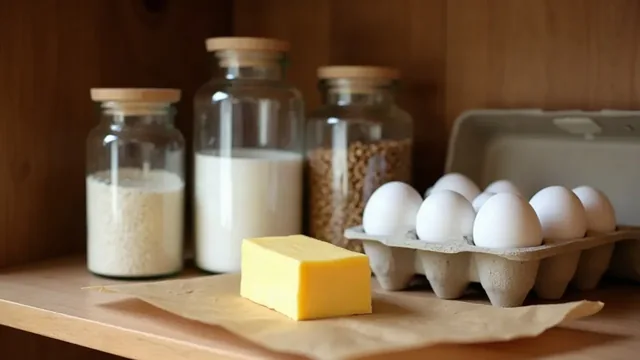
Running out of butter on a Friday is a bad way to find out your stock is low. A bakery inventory list example shows the columns that matter and a threshold rule for each row, so the list tells you what to buy before you run out.
Ten sample rows from a working stock list show the idea. The numbered rows below teach the most. The numbers come from a sample kitchen that bakes an 8-inch cardamom honey cake. Rules last checked October 2026.
Here is the shape of a row.
The full bakery inventory list example
The sample kitchen's ten rows, with the stock word and the quantity to buy the file works out:
| Item | Qty | Unit | Low threshold | Stock | Qty to buy |
|---|---|---|---|---|---|
| All-purpose flour | 1200 | g | 500 | In stock | none |
| Granulated sugar | 180 | g | 400 | Low | 220 |
| Unsalted butter | 0 | g | 450 | Out | 450 |
| Large eggs | 12 | each | 6 | In stock | none |
| Whole milk | 200 | ml | 500 | Low | 300 |
| Baking powder | 80 | g | 30 | In stock | none |
| Fine salt | 400 | g | 50 | In stock | none |
| Ground cardamom | 4 | g | 8 | Low | 4 |
| Honey | 350 | g | 100 | In stock | none |
| Vanilla extract | 0 | ml | 30 | Out | 30 |
Five of the ten rows need buying, and the shop list shows exactly those five.
1. All-purpose flour: 1200 g on hand, threshold 500 g
Flour is the easy row. The quantity is 1200 grams, the threshold is 500 grams, the location is the dry shelf and the pack price is $4.80. Quantity is above the threshold, so the stock column reads in stock and the row stays off the shop list.
Set the flour threshold at two batches of your biggest recipe. If that recipe takes 250 grams, the threshold is 500 grams.
If you buy flour in 50 pound bags, type the quantity in grams too. A full bag is 22,680 grams (50 × 453.6), so a fresh sack shows 22680 in the Qty cell and drops as you bake. Row for that sack: All-purpose flour, 22680, g, dry shelf, threshold 500.
A dry staple like flour can carry a lower threshold than anything that spoils, because running short is rare and slow.
2. Granulated sugar: 180 g on hand, threshold 400 g
Sugar is a low row. With 180 grams against a threshold of 400, the stock reads low. The shop list takes the row and shows 220 grams to buy, which is the threshold minus the quantity.
Threshold minus quantity brings you back to the threshold, not to a full shelf. If you shop in whole packs, round the 220 grams up to the nearest pack.
3. Unsalted butter: 0 g on hand, threshold 450 g
Butter is the out row. With zero grams, the stock reads out and the quantity to buy is the full 450 grams. The location is the fridge, and the expiry date matters most here.
Perishables need one extra check. Buy the shop-list amount rounded up to the smallest pack. Glance at the expiry column before you buy, so you do not overbuy butter that will outlast its date. Set the threshold from your own use. Say you use about 340 grams of butter in a normal week and shop weekly. A threshold of 450 grams is one week's use plus a cushion of 110 grams. Raise the quantity to 500 grams and the row drops off the shop list.
4. Large eggs: 12 each on hand, threshold 6 each
Eggs show that the unit column is free. Type each, g or ml, whichever you count in. Twelve eggs against a threshold of six reads in stock.
The threshold of six is a pragmatic number: it covers one batch of a recipe that needs six eggs. Count by recipe.
5. Ground cardamom: 4 g on hand, threshold 8 g
Small amounts need small thresholds. Four grams against a threshold of eight reads low and shows four grams to buy. A spice tin is the location.
The pack price here is $6.75, and you buy a jar, not four grams. That is why the pack price sits in the row, so you see what the trip costs.
6. Cake boxes: packaging is stock too
Nothing stops you typing a packaging item in the Item column. A row such as cake boxes with a quantity in each and a threshold of one pack lets the same rule work. It flags boxes before a Saturday pickup. Bags and stickers work the same way, one row each. The sample file uses ingredient rows, so treat this row as your own addition.
Where you keep stock also matters for the rules. Michigan's page says ingredients and finished products must be stored in your single family domestic residence, and you may not use a garage, shed or barn. Florida's statute says an operation may only sell products that it stores on its own premises. A location column keeps that honest.
How to choose a threshold for a bakery inventory list
Work out what you use between two shopping trips, then add a cushion.
| Item type | Example | Threshold idea |
|---|---|---|
| Dry staple | Flour, 500 g | Two batches of your biggest recipe |
| Fridge item | Butter, 450 g | One week's use plus a cushion |
| Counted item | Eggs, 6 each | One batch of your most egg-heavy recipe |
| Small spice | Cardamom, 8 g | One batch, because the jar is small |
| Packaging | Cake boxes | One full pack |
A cupboard that is counted once a week rarely surprises anyone.
To update the list, overwrite the quantity after each bake day or delivery. The stock word and the shop list recalculate, and raising butter from 0 to 500 grams takes it off the list. You can use the Ingredient On Hand workbook as a filled-in version of these rows. It shows the stock word and a symbol so that a black and white print still reads clearly. Its How to use tab names no app menu, only the tabs and cells, so the steps read the same in Excel and in Google Sheets.
When a free list is enough
You can build this yourself for nothing. Put the quantity in column B and the threshold in column G of your own sheet, then use a formula such as IF(B5=0,"Out",IF(B5<G5,"Low","In stock")). That gives you the same three words. The paid workbook adds a ready shop list, locked formulas and a sample to copy.
A stock list is the wrong tool if you buy once a month in bulk and never run short. A calendar reminder will do. The IRS says inventories include goods held for sale and raw materials that become part of what you sell, and that you must generally use an accrual accounting method when inventory is needed to figure income. Ask a tax professional whether that applies to you.
Frequently asked questions
What should an inventory list include?
At least the item, the quantity on hand, the unit, where it is stored, and a low-stock threshold. Add the pack price and an expiry date for items that spoil.
How do I make my own inventory list?
Type one row per item with a quantity, a unit and a threshold, then add a rule that flags any row whose quantity falls below its threshold. Any spreadsheet can do this.
Conclusion
A good inventory list has ten columns at most and one rule: when the quantity falls under the threshold, the item goes on the shop list. Set each threshold from what you use between two shopping trips, keep a location and an expiry date for the items that spoil, and update the list on the day before you shop. The rest is habit.
Sources
- Michigan Department of Agriculture and Rural Development, Selling and Samples - Cottage Food (archived 2026-06-14)last checked October 7, 2026
- The Florida Senate, Florida Statutes 2025, Section 500.80 Cottage food operationslast checked October 7, 2026
- Internal Revenue Service, Publication 583: Starting a Business and Keeping Records (12/2024)last checked October 7, 2026